Magnesium has quietly become one of the most talked-about minerals in the wellness world and for good reason. It's involved in hundreds of everyday processes in the body, from easing tired muscles to supporting restful sleep and helping us feel calmer at the end of a busy day. So it's no surprise that so many of us reach for a magnesium supplement.
But here's the catch a lot of people run into: your stomach simply doesn't love it.
If you've ever taken a magnesium tablet and found yourself making an unexpected dash to the bathroom, or feeling a little queasy and crampy afterwards, you're far from alone. For anyone with a sensitive stomach, oral magnesium can be more trouble than it's worth. The encouraging news is that swallowing a capsule isn't the only way to bring a little more magnesium into your routine, and for sensitive tummies, going topical can be a much gentler path.
In this blog, we'll look at why magnesium matters so much, why oral supplements can upset a sensitive stomach, and how topical magnesium offers a gentler alternative by working through the skin instead of the gut. We'll also share simple tips for using a magnesium oil spray.
Why Magnesium Matters So Much
Magnesium is a true multitasker. It's one of the most abundant minerals in the body and plays a part in an enormous range of everyday functions, including:
-
Supporting normal muscle and nerve function
-
Helping the body turn food into energy
-
Contributing to healthy bones and teeth
-
Playing a role in relaxation, mood, and sleep quality
-
Helping regulate things like blood sugar and blood pressure
The tricky part is that our bodies don't make magnesium, we have to get it from what we eat. And while it's found in foods like leafy greens, nuts, seeds, wholegrains, and legumes, many people still don't quite reach the recommended intake through diet alone. Busy lifestyles, processed foods, and modern farming practices can all leave us falling a little short, which is why topping up has become such a necessary requirement for many.
The Trouble With Oral Magnesium and a Sensitive Stomach
If magnesium is so good for us, why does it upset some people's stomachs? The answer comes down to how the body handles it.
When you swallow a magnesium supplement, your gut absorbs some of it, but any magnesium that isn't absorbed stays in the intestines, where it draws water into the bowel. That extra water is exactly what softens stools and, in higher amounts, leads to the "laxative effect." It's the same principle behind magnesium-based laxatives. Along with loose stools, unabsorbed magnesium can bring on nausea and abdominal cramping for some people.

A few things make this more likely:
-
The form of magnesium: Poorly absorbed forms such as magnesium oxide tend to sit in the gut and are more likely to cause loose stools, while forms like magnesium citrate are sometimes used specifically for their laxative effect. Better-absorbed forms (such as magnesium glycinate) tend to be gentler, but at higher doses, any form can loosen things up.
-
The dose: Larger amounts leave more unabsorbed magnesium in the gut, increasing the chance of an upset stomach.
-
A naturally sensitive digestive system: If you already live with a reactive gut or a condition like IBS, your stomach may simply be more prone to noticing the change.
For someone with a sensitive stomach, this can turn a well-intentioned wellness habit into a daily gamble, and often means giving up on magnesium altogether. That's a shame, because the mineral itself isn't the problem; it's the delivery route.
How Topical Magnesium Works Differently
This is where topical magnesium comes in. Instead of being swallowed, it's applied directly to the skin, usually as a spray, oil, or cream, and massaged into areas like the arms, legs, shoulders, or feet.
The most important benefit for sensitive tummies is beautifully simple: because you're not swallowing anything, topical magnesium completely bypasses your digestive system.
There's no unabsorbed mineral sitting in your gut drawing in water, which means none of the loose stools, cramping, or queasiness that can come with tablets. For many people, that alone makes it a far more comfortable option.
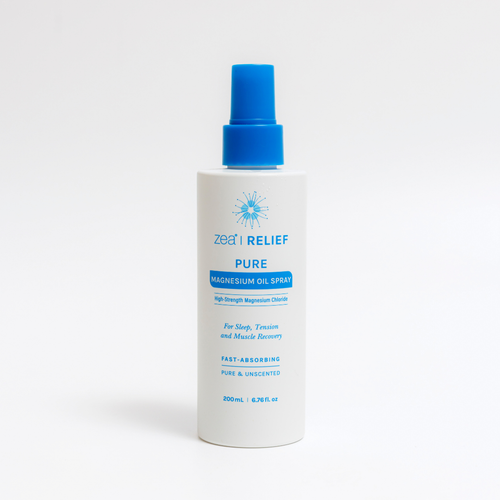
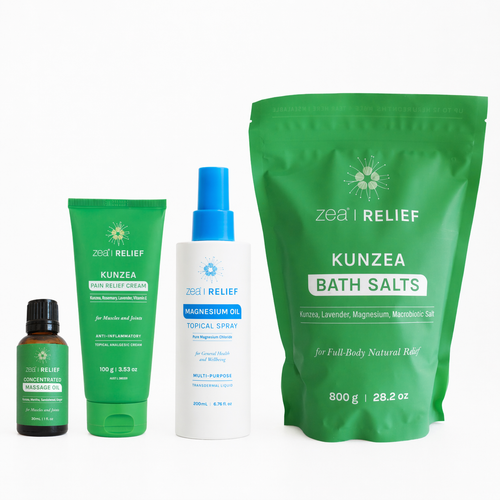
Zea’s Magnesium Oil Topical Spray makes this especially convenient. With a quick spritz, you can apply magnesium directly to areas such as your calves after a run, your shoulders after a day at the computer, or your feet before bedtime, without worrying about upsetting your stomach.

Why Topical Magnesium Suits Sensitive Stomachs
Pulling it together, here's why so many people with delicate digestion make the switch to topical:
-
No digestive upset: Nothing passes through your stomach or intestines, so there's no laxative effect to worry about.
-
Gentle and soothing: Massaging a magnesium spray into tired muscles doubles as a calming, self-care moment, lovely before bed.
-
Easy to target: You can apply it directly to the areas that feel tight or overworked, like calves, shoulders, or the soles of your feet.
-
Simple to fit into your day: A few sprays in the evening is an effortless habit to build.
-
Kind to sensitive skin: Quality topical magnesium is designed to be well tolerated, even on more reactive skin.
None of this replaces a balanced, magnesium-rich diet; think leafy greens, nuts, seeds, and wholegrains, but it can sit alongside your meals as a gentle, stomach-friendly way to weave a little more magnesium into your lifestyle.
How to Use a Magnesium Oil Spray
If you're new to topical magnesium, it couldn't be much simpler. Here are a few tips to get the most out of it:
-
Spray onto areas with high sweat glands: such as under your arms and on the soles of your feet as this is where magnesium best gets absorbed.
-
Massage it in: gently for a few moments to help it spread evenly and to enjoy the soothing ritual.
-
Start small: Try a few sprays and see how your skin feels before building up to a routine that suits you.
-
Time it for relaxation: Many people love applying it in the evening or after a warm shower or bath, as part of winding down for sleep.
-
Expect a light tingle: A mild tingling or warm sensation on first use is common and usually settles with regular use. If it feels too strong, apply to slightly damp skin or rinse after 20-30 minutes.
-
Patch test first: if you have sensitive skin, and avoid broken or freshly shaved skin.

What Makes Zea's Magnesium Oil Spray Stand Out
If you'd like to give topical magnesium a try, Zea's Magnesium Oil Topical Spray is a beautifully simple place to start, and its simplicity is rather the point. A few things set it apart:
-
Just two ingredients: magnesium and water. No fillers, no synthetic fragrances, no parabens - only purified water and highly concentrated magnesium chloride brine, drawn from the earth in its natural form. If you have a sensitive stomach, chances are you're mindful of what goes onto your skin too, and a short, clean ingredient list makes that easy.
-
A highly absorbable form of magnesium: The magnesium used is magnesium chloride, which is widely considered one of the most readily absorbed forms of magnesium for topical use, it's the form most commonly chosen for magnesium oil sprays for exactly that reason.
-
Concentrated and hard-working: Because it's a concentrated brine, a few spritzes go a long way, whether you're massaging it into tired legs after a long day or working it into your shoulders to unwind.
-
Gentle enough for sensitive skin: It's designed to be well tolerated and can be applied to just about any part of the body.
For anyone who has struggled with the stomach side effects of tablets, the appeal is obvious, it's an external, spray-on option that skips the gut entirely. People weave it into their day in all sorts of ways: as a calming part of a pre-sleep wind-down, a post-exercise leg rub, or a quick spritz across the shoulders and neck. Like any topical product, it's for external use only (a quick patch test is a good idea if your skin is reactive), and it works best as one small, pleasant part of a bigger picture that includes good food, movement, and rest.
A Few Things to Keep in Mind
Topical magnesium is a gentle, low-risk option for most people, but a little common sense goes a long way:
-
If you think you may have a magnesium deficiency, see your doctor, this should be properly assessed and managed, not self-diagnosed.
-
If you have kidney problems or take regular medication, check with your GP or pharmacist before adding any new magnesium product, oral or topical.
-
Discontinue use if you notice skin irritation, and keep the spray away from eyes and broken skin.
The Takeaway
Magnesium is a wonderful mineral to have in your wellness toolkit, but if a sensitive stomach has put you off, know that tablets aren't your only option. By working through the skin rather than the gut, topical magnesium offers a gentle, soothing way to enjoy your magnesium ritual without the digestive discomfort. Paired with a nourishing diet and a little daily movement, a simple spray like Zea's could be the stomach-friendly upgrade your routine has been missing.
References
- Gröber, U., Werner, T., Vormann, J., & Kisters, K. (2017). Myth or reality—Transdermal magnesium? Nutrients, 9(8), Article 813. https://doi.org/10.3390/nu9080813
- Kass, L., Rosanoff, A., Tanner, A., Sullivan, K., McAuley, W., & Plesset, M. (2017). Effect of transdermal magnesium cream on serum and urinary magnesium levels in humans: A pilot study. PLOS ONE, 12(4), Article e0174817. https://doi.org/10.1371/journal.pone.0174817
- National Institutes of Health, Office of Dietary Supplements. (2022). Magnesium: Fact sheet for health professionals. https://ods.od.nih.gov/factsheets/Magnesium-HealthProfessional/