Germs are an unavoidable part of everyday life. But whether your immune system handles them well - fighting off infections quickly, recovering efficiently, and staying resilient through winter - largely comes down to the daily habits you build. The good news: there's a lot within your control.
Written by Samantha Gemmell (BHSC Nut Med), qualified nutritionist, health writer and speaker.
How the Immune System Works
The immune system's primary goal is to protect the body from harm - preventing infections from viruses and bacteria, healing damaged tissue, and detecting threats like cancerous cells. It has two main branches:
Innate immunity is the body's first line of defence - a general, rapid-response system that includes physical barriers (skin, digestive lining), inflammatory responses, and cells that try to contain and neutralise threats quickly.
Acquired immunity is built up over time through exposure to different germs. When an immune cell encounters a pathogen, it "learns" how to deal with it - building a specific response that allows for faster, more effective defence if the same germ appears again. This is the mechanism behind vaccination: teaching the body to fight a specific threat without the risk of severe illness.
Everything from diet, sleep, exercise, stress levels, environmental factors, and genetics influences how well these systems function. Which also means that lifestyle choices can meaningfully improve your immune resilience.
Can You Really "Boost" Your Immune System?
The word "boost" is somewhat misleading in immune health. The immune system doesn't benefit from being pushed into overdrive - autoimmune conditions arise from an overactive immune response, not an underactive one. What we can do is support and optimise the immune system, giving it everything it needs to function at its best without overstimulating it.
Here are six evidence-supported ways to do exactly that.
1. Eat Plenty of Wholefoods
Every system in the body - including the immune system - needs fuel and specific nutrients to function. Immune cells require vitamins A, C, D, E, zinc, iron, selenium, and various amino acids to perform their roles effectively. The best way to cover these needs is through a varied, whole-food diet including:
- Colourful fruits and vegetables (for vitamins C, A, and antioxidants)
- Nuts and seeds (zinc, vitamin E, selenium)
- Oily fish and eggs (vitamin D, omega-3s, protein)
- Legumes and whole grains (zinc, iron, B vitamins)
- Herbs and spices - particularly garlic, ginger, and turmeric (natural antimicrobial and anti-inflammatory compounds)
Aiming for 80% of your daily food choices to come from wholefoods will cover most of the immune system's nutritional needs without the need for supplements.
2. Move Your Body Regularly
Exercise is a powerful immune modulator. Research shows that people who exercise regularly are significantly less likely to experience upper respiratory tract infections during winter. Regular moderate exercise also helps protect the immune system from age-related decline - one study found that cyclists in their 50s and 70s had T-cell counts comparable to healthy adults in their 20s and 30s.
The key word is "moderate" - extreme exercise without adequate recovery can temporarily suppress immune function. Aim for 30 minutes of moderate activity most days: walking, cycling, swimming, yoga, or whatever you enjoy and will actually do consistently.
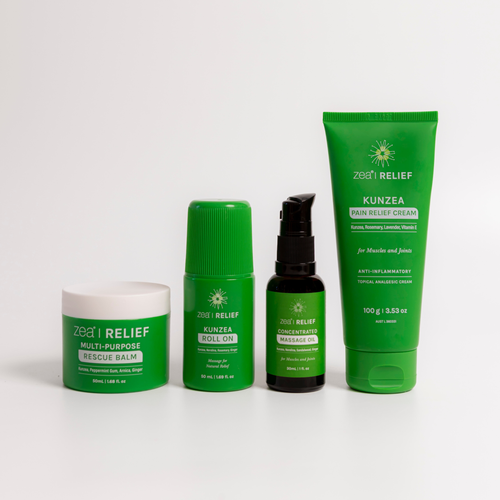
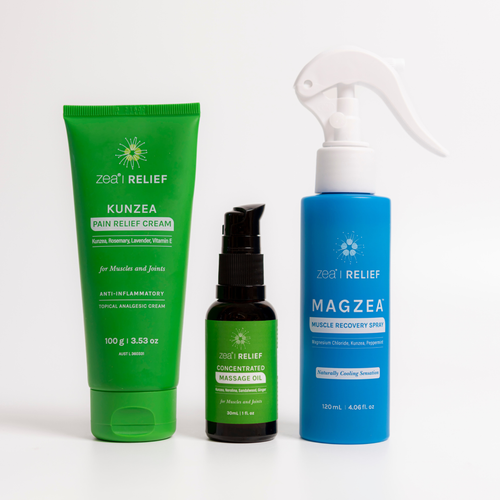
If you're exercising regularly and dealing with muscle soreness, our Kunzea Concentrated Massage Oil and Kunzea Bath Salts are great recovery companions.
3. Prioritise Quality Sleep
Sleep is when the immune system does some of its most important work - consolidating immune memory, regulating inflammatory responses, and producing cytokines (proteins that coordinate immune activity). Research has found that even one night of partial sleep deprivation reduces natural killer cell activity and overall immune response. Chronic poor sleep can actually alter the genes related to immunity and suppress the immune system's genetic programming.
Most adults need 7-9 hours of quality sleep per night. For better sleep quality, try:
- A consistent sleep and wake schedule - even on weekends
- A cool, dark, and quiet sleep environment
- Limiting screens for 60 minutes before bed
- Diffusing calming essential oils in the bedroom - Kunzea or lavender are excellent choices for promoting relaxation
4. Manage Your Stress Levels
Chronic stress is one of the most significant suppressors of immune function. Acute stress suppresses natural killer cells and monocytes; chronic stress reduces white blood cell counts and impairs T-cell function. This is why periods of high stress often coincide with catching a cold or experiencing a flare-up of a chronic condition - the immune system is simply less able to defend you.
Effective stress management is deeply personal, but options that consistently work include:
- Regular gentle exercise or yoga
- Meditation and breathwork
- Journalling and gratitude practice
- Spending time in nature
- Diffusing stress-relieving essential oils such as Kunzea, lavender, or frankincense
- Maintaining meaningful social connections
- Speaking with a counsellor or psychologist when needed
5. Use Essential Oils Strategically
Essential oils are a useful complementary tool for immune support - particularly those with documented antimicrobial and antiviral properties. Several oils have been studied for their ability to inhibit viruses responsible for cold and flu infections.
Research suggests that Bergamot, Kunzea, Cinnamon Bark, Clove Bud, and Sweet Orange essential oils have various antiviral and antibacterial activities. Our Breathe Easy Lifestyle Blend - combining Cinnamon, Clove, Orange, and Lime - is specifically formulated to support respiratory health and create a clean, purified home environment.
To use: add 4-6 drops to a diffuser filled with water and diffuse for 30-60 minutes, especially during winter months or when household members are unwell. You can also dilute in a carrier oil and apply to the chest, soles of feet, or pulse points.
6. Seek Professional Advice When Needed
For most healthy adults, the five strategies above will provide meaningful immune support. However, if you have known nutrient deficiencies, multiple dietary restrictions, or a condition that affects immune function - such as an autoimmune disease, diabetes, or a history of recurrent infections - working with a qualified health practitioner is important. A naturopath, GP, or dietitian can tailor recommendations to your specific situation and ensure any supplements are appropriate and evidence-based.
Frequently Asked Questions
Do immune supplements actually work?
Some supplements - particularly vitamin D (for those deficient), zinc, and elderberry - have reasonable evidence supporting immune benefits. However, supplements work best on top of a strong dietary and lifestyle foundation, not instead of one. Always consult a healthcare provider before starting supplements.
Does Kunzea oil really help immunity?
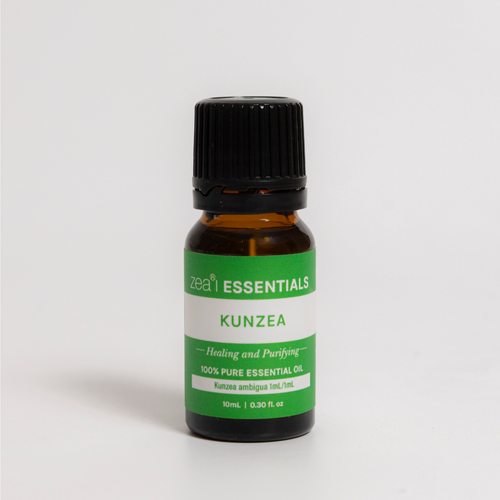
Kunzea oil has demonstrated antiviral and antibacterial properties in research. Diffusing it during cold and flu season and using it topically as part of a wellness routine can be a useful complementary strategy - though it's not a cure or replacement for medical care.
Can stress make you sick?
Yes - the research is clear that chronic stress impairs immune function by suppressing key immune cells. Managing stress effectively is one of the most important things you can do for long-term immune resilience.
How much sleep do I need for good immunity?
Most adults need 7-9 hours per night. Quality matters as much as quantity - fragmented sleep with multiple wakings is less restorative than uninterrupted sleep, even if the total hours look the same.
About the Author - Samantha Gemmell (BHSC Nut Med): Sam is a qualified nutritionist, health writer, and speaker. Her passion lies in making evidence-based health information simple and actionable. Visit samanthagemmell.com to learn more.
Explore our essential oils for immune support →
References
- Nieman DC, et al. "Upper respiratory tract infection is reduced in physically fit and active adults." British Journal of Sports Medicine 2011;45:987-992.
- Irwin M, et al. "Partial night sleep deprivation reduces natural killer and cellular immune responses in humans." FASEB Journal 1996;10(5):643-53.
- Watson NF, et al. "Transcriptional Signatures of Sleep Duration Discordance in Monozygotic Twins." Sleep 2017;40(1).
- Maydych V, et al. "Impact of chronic and acute academic stress on lymphocyte subsets and monocyte function." PLOS ONE 2017.